It’s only 11 a.m. and you already want to take a nap under your desk. But with the help of Rhodiola, you’ll get that boost you need. Start with 100 mg every day to keep your energy up.


Tips for how to keep beautiful and young looking healthy skin.
Eat health food to keep health and beautiful figure


All-Natural Headache Cures
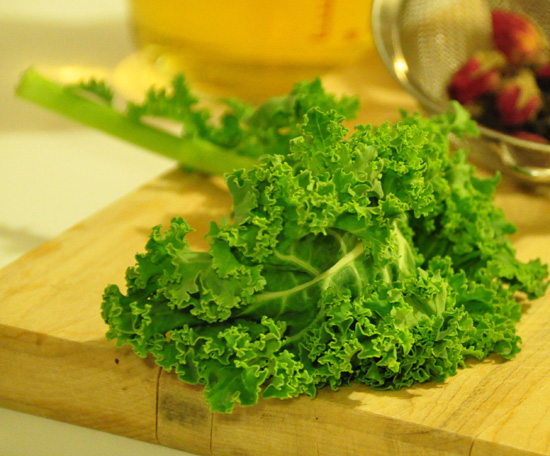
Kale is the world healthy veg
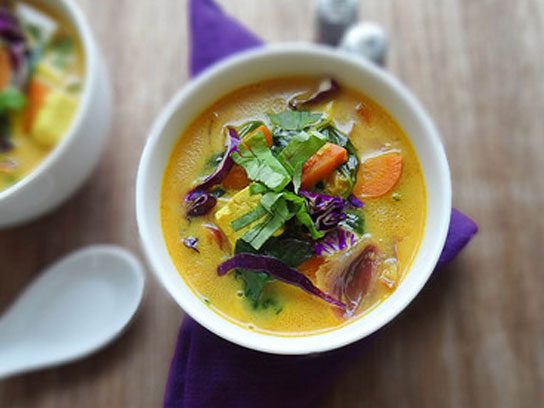
Kale is rich in vitamin C—one cup of cooked kale has more than 50 percent of the daily requirement. That’ll help lower levels of “bad” LDL cholesterol, which in turn will reduce the risk of heart disease. An analysis of 13 randomized controlled trials found that taking 500 mg of vitamin C a day for at least a month can result in lower LDL cholesterol levels. Recipe to try: Hearty Portuguese Kale Soup with beans and sausage.
We challenged a few of our favorite food bloggers to create recipes based on the best-selling book 21-Day Tummy that use “Belly Buddies” foods to soothe and shrink your stomach. Dig in!
Some of the steps you think will make for a better night’s sleep may actually contribute to your insomnia.

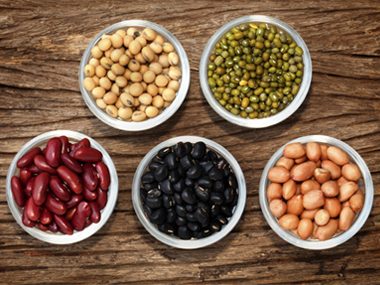
Beans are nutritional powerhouses packed with protein, fiber, B vitamins, iron, potassium, and are low in fat; but this mighty food can also pose potential health risks.

9 Top Health Benefits of Pumpkin Seeds
1. Heart Healthy Magnesium
One-quarter cup of pumpkin seeds contains nearly half of the recommended daily amount of magnesium, which participates in a wide range of vitally important physiological functions, including the creation of ATP (adenosine triphosphate, the energy molecules of your body), the synthesis of RNA and DNA, the pumping of your heart, proper bone and tooth formation, relaxation of your blood vessels, and proper bowel function.
Avocado, coconut oil, jojoba oil, almond oil and olive oil are world healthiest foods. They also are fabulous source for beautiful and health hair growth?
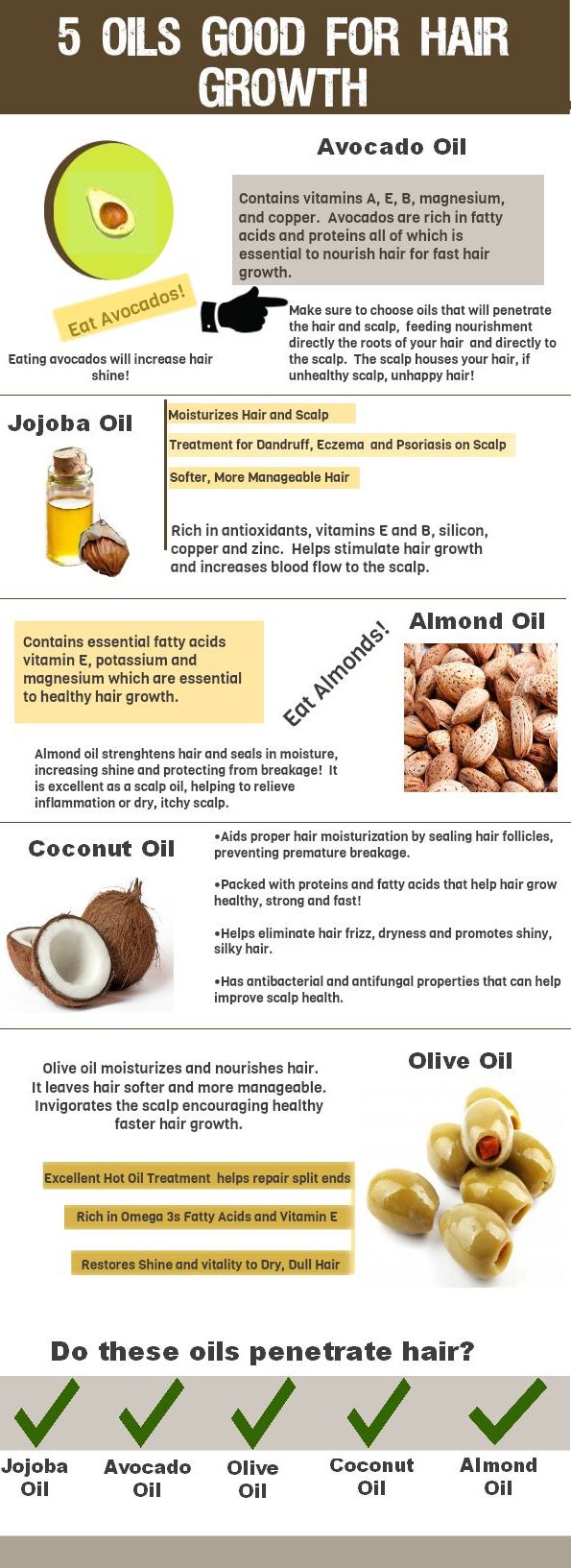
5 oils good for hair growth WWW. FunToCooking.com
An exercise and nutrition researcher at the University of Connecticut, found that eight foods that pack on muscle: eggs, almonds, olive oil, salmon, steak, yogurt, water, and coffee. Add these ingredients to your stomach and faithfully follow the directions on the package—”Lift heavy weights”—and you can whip up a batch of biceps in no time.

8 Foods that Pack on Muscle
The year’s most extraordinary dishes reflect the biggest restaurant trends of the moment: nose-to-tail-fin eating, live-fire grilling and the quest for elemental flavors.—Kate Krader, Dana Cowin, Kate Heddings, Christine Quinlan, Tina Ujlaki

Foie Gras with Avocado
The choices we make every day affect our chances of getting cancer. Three factors that we control have a lot to do with our risk of developing this terrible disease.


How Much We Move
Be physically active every day in any way for 30
minutes or more

How Much We Weigh
Aim to be a healthy weight throughout life

What We Eat
Choose mostly plant foods, limit red meat and
avoid processed meat
 Preventing Cancer
For the greatest protection, combine all three.
These guidelines form AICR’s simple, evidence-based message. Follow any one and you’ll lower your risk. Follow all three, and you’ll afford yourself the greatest protection possible. (And always remember – do not use tobacco in any form.)
AICR experts estimate that overall, about 1/3 of cancers in the 1.5 million cancers that occur every year in the US could be prevented by following these guidelines. For several specific types of cancer, following them could prevent even more cases.

Full Glossary for Foods That Fight Cancer
No single food or food component can protect you against cancer by itself. But strong evidence does show that a diet filled with a variety of plant foods such as vegetables, fruits, whole grains and beans helps lower risk for many cancers.
In laboratory studies, many individual minerals, vitamins and phytochemicals demonstrate anti-cancer effects. Yet evidence suggests it is the synergy of compounds working together in the overall diet that offers the strongest cancer protection.
According to AICR/WCRF’s second expert report and its updates, carrying excess body fat increases the risk of seven cancers. Vegetables and fruits are low in calories, which help us get to and stay a healthy weight. Whole grains and beans are rich in fiber and moderate in calories, which also help in weight management efforts.
That is why AICR recommends filling at least 2/3 of your plate with vegetables, fruit, whole grains and beans.
Research on foods that fight cancer – and that may also aid cancer survival – is ongoing and active.
Here is a partial list of the foods we at AICR get asked about most often. Click each one to learn what current science tells us about its potential role in cancer protection. You’ll also find links to recent AICR articles, cooking tips, recipes and more.
A new study has found that cancer patients who regularly participated in yoga classes reported an improvement in their quality of life. Regular yoga sessions reportedly helped improve patients’ mood while lessening the impact of pain and fatigue. 
The study was carried out by researchers at the M.D. Anderson Cancer Center in Houston, Texas. Lorenzo Cohen, a professor of oncology at the center, says that the “benefits of yoga are above and beyond stretching,” and added that the study’s findings “may improve outcomes in cancer survivors.”
Sleep apnea involves the breathing airway collapsing periodically during sleep, resulting in a troubled and less productive rest. 
Now, a new study of 34,100 people tracked over an 11-year period shows that sleep apnea patients are more likely to develop pneumonia, a serious inflammation of the lungs that can lead to death.
The researchers behind the study, which was carried out in Taiwan, found that 9.4 per cent of those who suffered from sleep apnea developed pneumonia within a five-year window. In comparison, only 7.8 per cent of those without sleep apnea developed pneumonia over that same period.
“This study showed that sleep apnea is an independent risk factor for incident pneumonia,” noted the researchers, who recently reported their findings in the Canadian Medical Association Journal.
The study also found that people who had severe sleep apnea conditions were more likely to develop pneumonia than people with mild sleep apnea symptoms.
So, what’s the connection between sleep apnea and pneumonia?
Researchers suggest that sleep apnea’s impact on the immune system may make patients more vulnerable to the pathogens that can eventually lead to pneumonia.
Sleep apnea can be treated using a continuous positive airway pressure (CPAP) device, which is designed to keep the airway from collapsing and disturbing rest.
It’s estimated that between 17 and 24 per cent of all North American adults suffer from some kind of obstructive sleep apnea. Between 2 and 6 per cent of all adults suffer from a severe case of the condition.
Source: Activebeat
Fish oil is packed with omega-3 fatty acids, and according to studies, it may help with a range of medical conditions.

Some studies show that the omega-3 fatty acids found in fish oil may help reduce several risk factors of heart disease. Fish oil is linked to lower levels of triglycerides (fats in the blood), and helps prevent or treat hardening of the arteries by slowing production of plaque or blood clots. Studies also suggest that regularly consuming foods with omega-3 fatty acids may help protect against stroke.
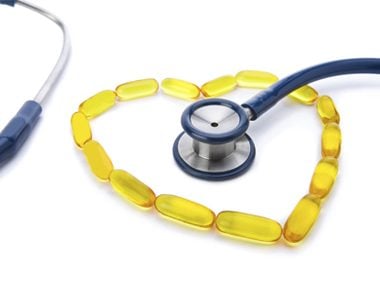
Mayo Clinic lists fish and omega-3 fatty acids (the main component of fish oil) as the second best food to lower cholesterol, behind oatmeal and high-fiber foods. The omega-3s help reduce blood pressure and the risk of developing blood clots.

According to University of Maryland Medical Center, the omega-3 fatty acids found in fish oil can help maintain a healthy bone mass. Studies showed that the fatty acids appeared to increase the amount of calcium the body absorbs and diminish the amount of calcium lost in urine. This promotes bone strength and growth.
A small study found that young women who took a fish oil supplement reported less menstrual pain than when given a placebo, according to NYU Langone Medical Center. Another small study found that women who took a fish oil supplement with vitamin B12 had less painful menstrual cycles. (Note: Always talk to your doctor before taking fish oil supplements.)
Although fatty acids are essential to healthy brain function, study results on the effectiveness of fish oil supplements to treat a range of mental disorders are mixed, so always talk to your doctor before treating yourself. A group of studies suggested that the omega-3s found in fish oil had a positive effect on people with primary depression. One small study found that patients with bipolar disorder who took fish oil supplements in addition to regular medication had fewer mood swings than those who took a placebo pill.

New research reported in Science Daily found that the omega-3s in fish oil supplements increased levels of adiponectin in the bloodstream, a hormone that aids in glucose regulation. Researchers say that higher levels of adiponectin is associated with a lower risk of type 2 diabetes.
Studies suggest the omega-3 fatty acids found in fish oil may reduce symptoms of rheumatoid arthritis, an autoimmune disease that causes painful inflammation of the joints. According to information from the University of Maryland Medical Center, the omega-3s in fish oil may ease joint pain and morning stiffness. Other studies found that taking fish oil supplements in conjunction with conventional RA therapies may be effective at relieving joint pain.
Source: Reader’s Digest
Here are a handful of reasons not to toss your coffee grounds and to use them in the garden, for fertilizer, to deodorize, and more.